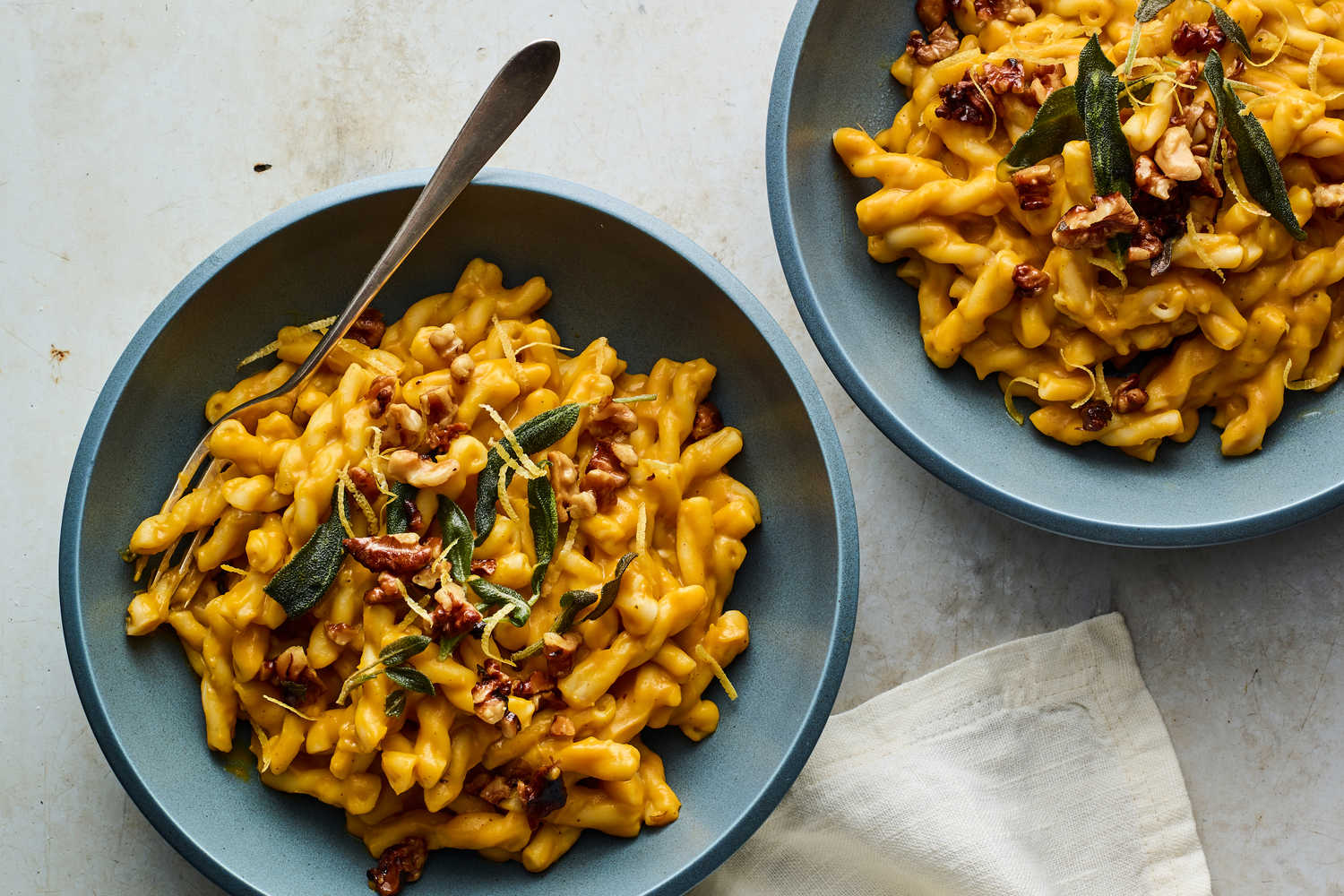
Achieve Creamy Butternut Squash Pasta Without Heavy Cream
As the cooler months descend, there's a universal craving for warm, comforting dishes that wrap you in a cozy embrace. Among the most cherished fall recipes is the beloved butternut squash pasta. Its vibrant color, inherent sweetness, and luxurious texture make it an irresistible choice for chilly evenings. However, many recipes often rely on heavy cream to achieve that desired silkiness, adding an extra richness that some prefer to avoid. What if we told you that you could achieve an incredibly creamy, utterly satisfying butternut squash pasta without a drop of heavy cream? It's not magic, but rather a clever culinary technique that leverages the natural properties of this versatile winter squash. By transforming roasted butternut squash into the heart of your sauce, you unlock a depth of flavor and a velvety consistency that rivals any cream-laden alternative. This approach not only results in a lighter, healthier meal but also amplifies the star ingredient, making it truly shine. Get ready to discover how to craft a truly exceptional butternut squash pasta that's packed with flavor, nutrients, and an astonishing creaminess that will surprise and delight your taste buds.The Secret Ingredient: Roasted Butternut Squash – Your Natural Creamer
The cornerstone of achieving a luscious, dairy-free creamy texture in your butternut squash pasta lies in the squash itself, specifically, how it’s prepared. Roasting butternut squash is not just a cooking step; it’s a flavor transformation. When butternut squash is roasted at high temperatures, a magical process occurs:- Caramelization: The natural sugars within the squash caramelize, intensifying its inherent sweetness and developing complex, nutty undertones. This deepens the overall flavor profile of your sauce, giving it a richness that can't be achieved by simply boiling or steaming.
- Softening: Roasting renders the squash incredibly tender, making it effortlessly blendable. This softness is crucial for creating a truly smooth, lump-free puree.
- Concentration of Flavor: The dry heat of roasting reduces the squash's water content slightly, concentrating its flavor and resulting in a more robust and satisfying taste.
Building Your Dream Butternut Squash Pasta: Ingredients & Method
Crafting this delightful butternut squash pasta is simpler than you might imagine. The key is to start with quality ingredients and follow a few straightforward steps to ensure maximum flavor and optimal creaminess.Essential Ingredients for Your Creamy Sauce:
- Butternut Squash: One medium to large squash, peeled, deseeded, and cut into 1/2-inch to 1-inch cubes.
- Aromatics: A medium yellow onion, finely diced, and several cloves of garlic, minced or roughly chopped. These are essential for building a savory base.
- Healthy Fats: A couple of tablespoons of olive oil or melted butter for roasting and sautéing. This helps with caramelization and flavor extraction.
- Seasonings: Italian seasoning, salt, and freshly ground black pepper are your foundation. Consider a pinch of nutmeg to complement the squash, or red pepper flakes for a subtle kick.
- Liquid for Blending: This is where we replace heavy cream. Reserved pasta water, vegetable broth, or even a combination of both work wonders. The starch in pasta water helps emulsify the sauce, making it extra silky. A very small splash of milk or half-and-half can be added if you desire *extra* richness, but it's not strictly necessary for creaminess.
- Cheese (Optional, but Recommended): Freshly grated Parmesan or Asiago cheese adds an irresistible salty, umami depth and contributes to the sauce's body and emulsification. For a vegan version, nutritional yeast can mimic the cheesy flavor.
- Pasta: Any shape works beautifully. Rigatoni, penne, fettuccine, or even spaghetti are excellent choices, allowing the silky sauce to cling to every noodle. For a gluten-free option, simply swap in your favorite gluten-free pasta.
Step-by-Step Preparation:
- Roast the Squash and Aromatics: Preheat your oven to a robust 400°F (200°C). On a large baking sheet, toss the cubed butternut squash, diced onion, and chopped garlic with olive oil (or melted butter), Italian seasoning, salt, and pepper. Spread them in a single layer to ensure even roasting and caramelization. Roast for 25-35 minutes, or until the squash is tender, lightly browned, and fragrant.
- Cook the Pasta: While the squash roasts, bring a large pot of salted water to a rolling boil. Add your chosen pasta and cook according to package directions until al dente. *Crucially, before draining, reserve at least 1-2 cups of the starchy pasta water.* This liquid gold will be your secret weapon for a perfectly creamy sauce.
- Blend the Sauce: Carefully transfer the roasted butternut squash, onion, and garlic to a high-speed blender or food processor. Add about 1/2 cup of your reserved pasta water or vegetable broth. Blend until incredibly smooth and creamy. If the sauce is too thick, gradually add more liquid (pasta water or broth) a tablespoon at a time until you reach your desired consistency. This process emulsifies the squash, creating that luxurious, creamy texture.
- Combine and Finish: Pour the velvety butternut squash sauce back into the empty pasta pot or a large skillet. Stir in the freshly grated Parmesan cheese (if using). Add the drained cooked pasta to the sauce. Toss everything together, ensuring every noodle is coated. If the sauce seems too thick, add a little more reserved pasta water until it coats the pasta beautifully. Taste and adjust seasonings as needed.
For more specific measurements and a streamlined cooking process, you might find our guide on Easy Butternut Squash Pasta: Your Cozy Fall Dinner Guide incredibly helpful for making this dish a regular in your rotation.
Elevate Your Dish: Flavor Pairings and Creative Variations
While the basic butternut squash pasta is a symphony of flavors on its own, its versatility truly shines when you start exploring various enhancements and customizations. This allows you to tailor the dish to your personal preferences, dietary needs, or whatever ingredients you have on hand.Garnishes for a Finishing Touch:
- Crispy Sage Leaves: Fry fresh sage leaves in a little butter or olive oil until crisp. Their earthy, slightly peppery notes are a classic pairing with butternut squash.
- Toasted Nuts: Pine nuts or walnuts, lightly toasted, add a wonderful crunch and nutty depth.
- Lemon Zest or Juice: A squeeze of fresh lemon juice or a sprinkle of zest brightens the entire dish, cutting through the richness of the squash.
- Red Pepper Flakes: For those who enjoy a little heat, a sprinkle of red pepper flakes adds a delightful warmth.
- Fresh Herbs: Chopped fresh parsley, chives, or a sprig of thyme can add a touch of freshness and color.
Creative Additions for Extra Heartiness or Flavor:
- Protein Power:
- Crispy Pancetta or Sausage: Cooked until crisp and crumbled, these add a savory, meaty counterpoint.
- Roasted Chicken or Turkey: Leftover poultry can be shredded and folded in.
- Plant-Based Proteins: Sautéed chickpeas, white beans, or crispy roasted tofu cubes make for a hearty vegetarian or vegan option.
- Greens and Vegetables:
- Spinach or Kale: Stir in a handful of fresh spinach or finely chopped kale at the very end; the residual heat will wilt them perfectly, adding extra nutrients and a pop of color.
- Mushrooms: Sautéed cremini or wild mushrooms can add an earthy, umami layer to the sauce.
- Sun-dried Tomatoes: Chopped sun-dried tomatoes (oil-packed) offer a concentrated, tangy sweetness.
- Cheese Variations:
- Beyond Parmesan, consider grated Asiago for a sharper, nutty flavor, or a dollop of creamy goat cheese stirred in for a tangy finish.
Dietary Adaptations:
- Gluten-Free: As mentioned, simply use your favorite gluten-free pasta.
- Vegan/Dairy-Free: Omit the Parmesan cheese (or use a vegan Parmesan substitute) and ensure you use vegetable broth instead of chicken broth. Nutritional yeast is an excellent substitute for cheesy flavor without dairy. Instead of butter for roasting, use olive oil.
- Different Winter Squashes: Don't limit yourself to butternut! Kabocha, Hokkaido, or Red Kuri squash can all be roasted and pureed in a similar fashion, offering slight variations in sweetness and texture.
Beyond Delicious: The Benefits of Butternut Squash Pasta
Choosing to make your butternut squash pasta without heavy cream isn't just a delicious culinary decision; it's also a choice that comes with a host of benefits that extend beyond the plate.- Nutrient-Rich: Butternut squash is a nutritional powerhouse, brimming with vitamins, particularly Vitamin A (in the form of beta-carotene, great for eye health and immunity) and Vitamin C. It's also a good source of fiber, potassium, and magnesium. By making it the base of your sauce, you're boosting the nutritional content of your meal significantly.
- Lighter Yet Satisfying: The beauty of using pureed squash for creaminess is that it provides a rich, comforting mouthfeel without the heaviness or saturated fat content of traditional cream-based sauces. You get all the indulgence without feeling weighed down, making it an ideal choice for a satisfying weeknight dinner.
- Naturally Sweet and Savory: Butternut squash offers a delicate, natural sweetness that balances beautifully with savory aromatics like garlic, onion, and Parmesan cheese. This harmonious blend of flavors creates a sophisticated yet approachable dish that appeals to a wide range of palates.
- Picky Eater Approved: For parents looking to incorporate more vegetables into their family's diet, this pasta is a dream come true. The vibrant color and sweet, creamy taste often mask the fact that it's packed with squash. It’s truly a genius way to Sneak Veggies into Dinner with Creamy Butternut Squash Pasta.
- Seasonal and Sustainable: Embracing seasonal ingredients like butternut squash means you're enjoying produce at its peak freshness and flavor. It's often more readily available and sometimes more affordable during the fall and winter months, aligning with a more sustainable approach to cooking.
